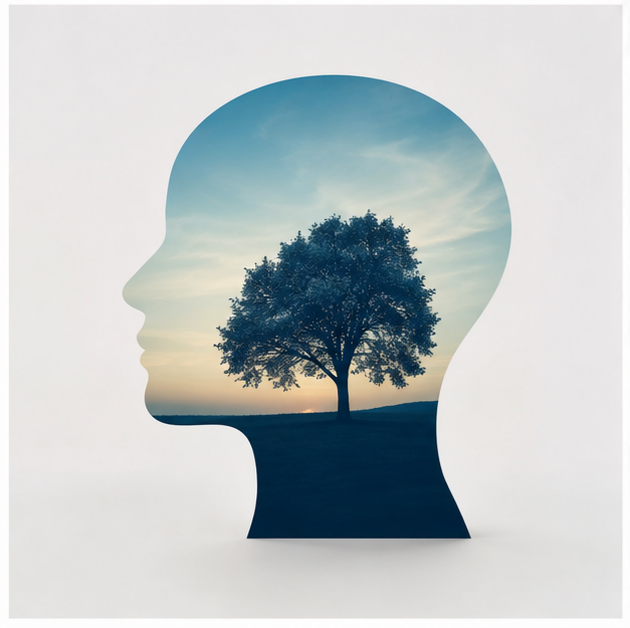
International Framework for Mental Well-Being, Human Resilience, and Sustainable Psychological Development
Official International Standard
Prepared by:
World Psychological Association (WPSY)
Document Type:
Global Definition Standard
Standard Title:
Mental Well-Being Definition Standard
Field:
Mental Well-Being, Psychology, Human Development, Emotional Health, Behavioral Science, and International Professional Cooperation
Language:
English
Standard Category:
International Conceptual and Professional Framework
1. Introduction
The Mental Well-Being Definition Standard establishes an internationally oriented conceptual framework intended to support the understanding, communication, promotion, and sustainable development of mental well-being across diverse cultural, educational, professional, institutional, and social environments.
Mental well-being is increasingly recognized as an essential component of:
- Human development;
- Emotional resilience;
- Educational advancement;
- Organizational effectiveness;
- Social cohesion;
- Sustainable societal progress.
This standard encourages globally informed approaches to mental well-being while recognizing cultural diversity, individual variation, interdisciplinary development, and evolving international environments.
2. Definition of Mental Well-Being
2.1 Core Definition
Mental Well-Being refers to the overall condition of cognitive, emotional, psychological, interpersonal, and social functioning that supports constructive human development, resilience, adaptability, communication, and sustainable participation within personal, organizational, and societal environments.
Mental well-being involves the capacity to:
- Understand and manage emotions constructively;
- Maintain balanced cognitive and behavioral functioning;
- Engage positively in interpersonal relationships;
- Adapt responsibly to challenges and change;
- Support meaningful personal and social development.
Mental well-being is recognized as a dynamic and evolving aspect of human life influenced by biological, psychological, social, cultural, educational, environmental, and technological factors.
3. Scope of Mental Well-Being
Mental well-being may relate to multiple dimensions of human experience, including:
- Emotional balance and awareness;
- Psychological resilience and adaptability;
- Interpersonal communication and relationships;
- Educational and professional functioning;
- Social participation and community engagement;
- Human dignity and self-development;
- Organizational and workplace well-being;
- Digital and technological interaction environments.
The framework recognizes that mental well-being may be expressed differently across individuals, communities, cultures, and institutional systems.
4. Fundamental Principles
The Mental Well-Being Definition Standard is guided by the following internationally oriented principles.
4.1 Human Dignity
Mental well-being frameworks should respect human dignity, diversity, and individual value.
4.2 Human-Centered Development
Mental well-being should support constructive human growth, communication, resilience, and sustainable participation in society.
4.3 Inclusivity and Cultural Respect
Approaches to mental well-being should recognize cultural diversity and encourage respectful international understanding.
4.4 Ethical Responsibility
Professionals and institutions are encouraged to promote responsible, respectful, and constructive engagement related to mental well-being.
4.5 Prevention and Sustainable Development
Mental well-being frameworks should encourage long-term resilience, education, awareness, and sustainable personal and social development.
4.6 International Cooperation
Global dialogue and interdisciplinary collaboration contribute positively to advancing mental well-being internationally.
5. Core Dimensions of Mental Well-Being
Mental well-being may include interconnected dimensions such as:
5.1 Emotional Well-Being
The ability to recognize, express, regulate, and respond constructively to emotions.
5.2 Cognitive Well-Being
The capacity for constructive thinking, learning, understanding, attention, reasoning, and decision-making.
5.3 Psychological Resilience
The ability to adapt and recover constructively during stress, challenge, uncertainty, or change.
5.4 Social and Interpersonal Well-Being
The ability to engage positively within relationships, communities, and social environments.
5.5 Behavioral Balance
The development of responsible and constructive behavioral patterns supporting healthy functioning and sustainable development.
5.6 Personal Development
The pursuit of meaningful growth, self-awareness, communication, learning, and human potential.
6. Mental Well-Being and Contemporary Society
Mental well-being increasingly contributes to:
- Educational performance and lifelong learning;
- Workplace culture and organizational effectiveness;
- Leadership and communication;
- Community resilience and social cohesion;
- Human-centered technological development;
- Sustainable social and institutional systems.
Modern societies increasingly recognize mental well-being as an important component of long-term human and societal development.
7. Mental Well-Being Across Environments
Mental well-being may be supported within:
- Educational institutions;
- Families and communities;
- Professional and workplace environments;
- Counseling and support systems;
- Public-interest and awareness initiatives;
- Digital and technological ecosystems;
- International cooperation and development programs.
The framework encourages adaptable and context-sensitive approaches appropriate to different environments.
8. Professional and Institutional Orientation
Professionals and organizations engaged in mental well-being initiatives are encouraged to:
- Promote respectful and ethical communication;
- Encourage supportive and constructive engagement;
- Support continuing education and awareness;
- Encourage human-centered and culturally respectful practices;
- Strengthen institutional responsibility and inclusivity.
The framework encourages collaborative and educational approaches rather than unnecessarily restrictive systems.
9. Mental Well-Being and Technology
Technological transformation increasingly influences mental well-being through:
- Digital communication;
- Social media interaction;
- Online education and work;
- Artificial intelligence environments;
- Information accessibility and behavioral influence.
Professionals and institutions are encouraged to support responsible digital engagement and promote awareness related to healthy technological interaction.
10. International and Cross-Cultural Perspective
Mental well-being may be understood differently across cultural and social environments.
This standard therefore encourages:
- Respect for cultural diversity;
- Inclusive communication;
- International collaboration;
- Cross-cultural dialogue and education;
- Adaptable and globally accessible approaches.
International cooperation contributes positively to advancing human understanding and sustainable psychological development worldwide.
11. Future Development of Mental Well-Being
The future development of mental well-being frameworks may include:
- Digital mental wellness initiatives;
- Human-centered technological ethics;
- Global resilience and adaptability systems;
- Interdisciplinary behavioral sciences;
- Organizational well-being and leadership development;
- International educational cooperation;
- Preventive and sustainable well-being models.
Mental well-being is expected to remain a central component of future human-centered development strategies.
12. International Alignment Framework
The Mental Well-Being Definition Standard supports internationally aligned principles intended to encourage:
- Ethical responsibility;
- Educational accessibility;
- Human-centered development;
- Institutional cooperation;
- Professional communication;
- Sustainable psychological and social well-being.
The framework is designed to remain globally adaptable rather than legally restrictive.
13. Conclusion
The Mental Well-Being Definition Standard establishes an internationally oriented framework for understanding mental well-being as a dynamic, human-centered, interdisciplinary, and globally relevant component of sustainable human development.
The standard supports:
- Human dignity and resilience;
- Ethical and constructive engagement;
- International cooperation and dialogue;
- Educational and organizational development;
- Social cohesion and long-term well-being.
Through globally informed standards and collaborative engagement, mental well-being contributes positively to sustainable human advancement within an interconnected world.
About WPSY
The World Psychological Association (WPSY) is an internationally oriented organization dedicated to advancing psychology through global standards, professional cooperation, ethical responsibility, interdisciplinary engagement, and human-centered development.
WPSY supports internationally aligned initiatives related to:
- Professional standards;
- Educational frameworks;
- Certification and recognition systems;
- Research dialogue and publications;
- Global psychological cooperation;
- Human well-being and sustainable development.
Official Motto
Advancing Global Psychological Standards and Human Development